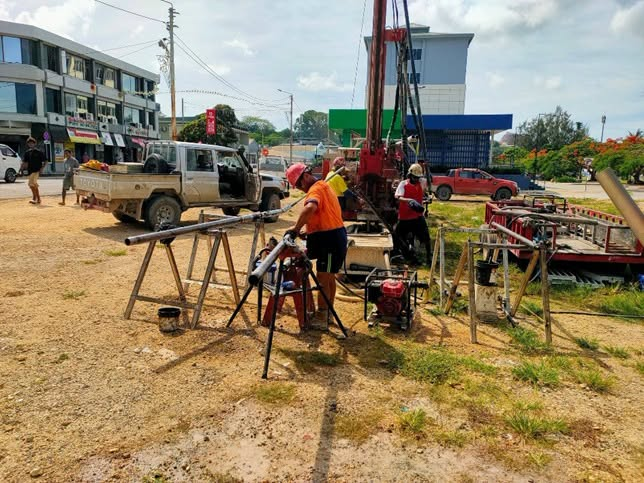
Geotechnical studies commenced in 2025 and identified four broad ground zones and mapped potential earthquake-related hazards, including ground shaking, liquefaction, slope instability and fault-related ground movement.
On 31 August 2026, government authorities invited final stakeholder feedback on the draft Port Vila CBD Geotechnical Guidance Handbook and associated Geotechnical Hazard Portal, following technical investigations and initial consultations.
The materials translate findings from the post-earthquake assessment into practical information for leaseholders, developers, engineers, planners and government approval authorities. They help identify where further ground investigation or specialist advice may be needed before development proceeds.
The assessment identified four broad ground zones and mapped potential earthquake-related hazards, including ground shaking, liquefaction, slope instability and fault-related ground movement. Ground conditions can vary within a zone and across an individual property.
The mapping does not classify properties as simply safe or unsafe. Being within a mapped hazard area does not automatically prevent development; it indicates that potential hazards may require further investigation and consideration.
The final feedback round followed August stakeholder sessions involving government agencies, planning and building authorities, technical professionals and the private sector. The Vanuatu Chamber of Commerce and Industry supported the private-sector session.
Comments were requested by close of business on 11 September 2026. That consultation deadline has now passed. The materials were released for consultation and were not intended for operational use in investigations, design, consenting or other development decisions at that stage.
Feedback was intended to inform refinement of the Handbook and Portal before final issue. The guidance does not replace site-specific investigation, qualified technical advice, detailed engineering design or the Vanuatu National Building Code.
The work was funded by New Zealand’s Ministry of Foreign Affairs and Trade and undertaken by Tonkin + Taylor, with structural engineering input from Egis Limited. DUAP and Port Vila City Council supported the consultation process.
For further information: